Psychosocial Recovery Coaching

What is Psychosocial Recovery Coaching?
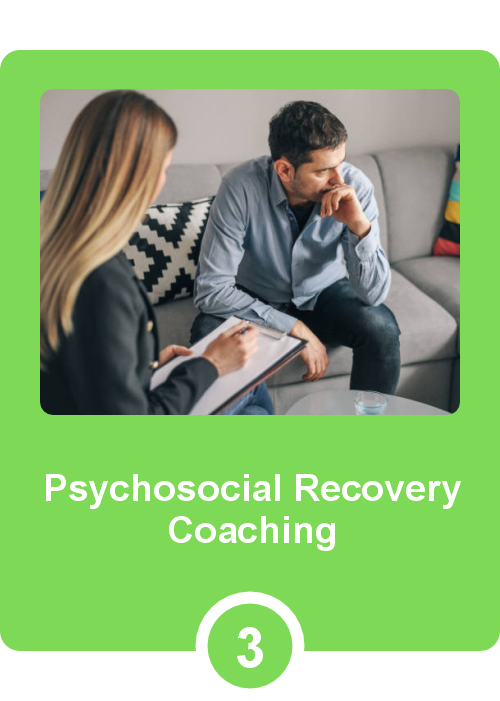
Psychosocial Recovery Coaching is an NDIS-funded support for people living with psychosocial disability. It helps participants work towards a meaningful and purposeful life through personalised guidance, support coordination, skill development, and assistance during challenging or crisis situations.
Recovery Coaches bring mental health expertise, and participants can also choose coaches who have lived experience of recovery for added understanding and support.
What does a Psychosocial Recovery Coach do?
Recovery Planning
Works with you, your family, and supports to create a personalised recovery plan based on your needs, goals, and strengths.
Goal Setting & Strategies
Helps you set achievable goals and build practical strategies to manage mental health and improve daily wellbeing.
Ongoing Support
Stays in regular contact with you and your supports to review progress and ensure you have the right help in place.
NDIS & Service Support
Helps you manage your NDIS plan and connect you with suitable services, community supports, and other resources.
Benefits of NDIS Recovery Coaching
Personalised Mental Health Support
Our recovery coaches provide one-on-one support to understand your needs and goals. You can also choose a coach with lived experience for added insight.
Life Skills Development
We support you to build essential daily living skills, strengthen emotional regulation, and develop coping strategies tailored to your needs.
Crisis Support & Guidance
When challenges arise, we provide calm, practical support and strategies to help you manage difficult situations and stay focused on your recovery.
Confidence & Empowerment
Our focus is on building your confidence and independence so you can make informed decisions and take an active role in your recovery.
Service Navigation & Connection
We help you navigate the NDIS and connect with mental health services, medical supports, and community resources at the right time.
Ongoing Flexible Support
Your support is continuously reviewed and adjusted as your needs and goals change, ensuring your recovery journey stays on track.
Your Questions Answered
What is the difference between a Recovery Coach and a Support Coordinator?
A Support Coordinator focuses on managing your NDIS plan, budgets, and linking you with formal services. A Recovery Coach works more closely with you on personal recovery goals, daily living skills, emotional wellbeing, and building resilience in everyday life.
Do Recovery Coaches have lived experience of mental illness?
Some Recovery Coaches have lived experience, while others have professional mental health training. The NDIS funds both “lived experience” (peer) coaches and “learned experience” coaches with formal qualifications in mental health or related fields.
Can I have both a Support Coordinator and a Recovery Coach?
Yes. Many participants use both supports together. A Support Coordinator helps with NDIS administration and service connections, while a Recovery Coach focuses on personal recovery, skill-building, and emotional wellbeing.
Are Recovery Coaches therapists or counsellors?
No. Recovery Coaches are not clinicians and do not provide therapy, counselling, or diagnosis. Instead, they support you to build coping strategies, connect with services, and strengthen independence in everyday life.
How do I get a Recovery Coach?
You need Psychosocial Recovery Coaching funding included in your NDIS plan. Once approved, you can choose a registered provider or search through the NDIS Provider Finder to connect with a suitable coach.
What qualifications should a Recovery Coach have?
Most Recovery Coaches have qualifications such as Certificate IV in Mental Health Peer Work or similar, along with experience supporting people with psychosocial disability or mental health challenges.
How often will I work with my Recovery Coach?
The frequency depends on your needs and plan funding. You may meet weekly, fortnightly, or as needed, with support adjusted based on your goals, progress, and current circumstances.
What support can I expect during a mental health crisis?
In a crisis, your Recovery Coach can help you stay safe, connect with urgent services, and put practical strategies in place. They also work with your support network to ensure ongoing stability and care.
Related Services