Complex Care
What Are Complex Care Needs?

Primary Disabilities:
Individuals living with intellectual disabilities, acquired brain injuries, or physical disabilities form the core group with complex care needs.

Additional Health Concerns:
These primary conditions can be compounded by other health issues such as diabetes, dementia, or chronic illnesses.

Psychosocial Disabilities:
Mental health concerns, addiction, homelessness, or involvement with the judicial system also contribute to complex care needs.
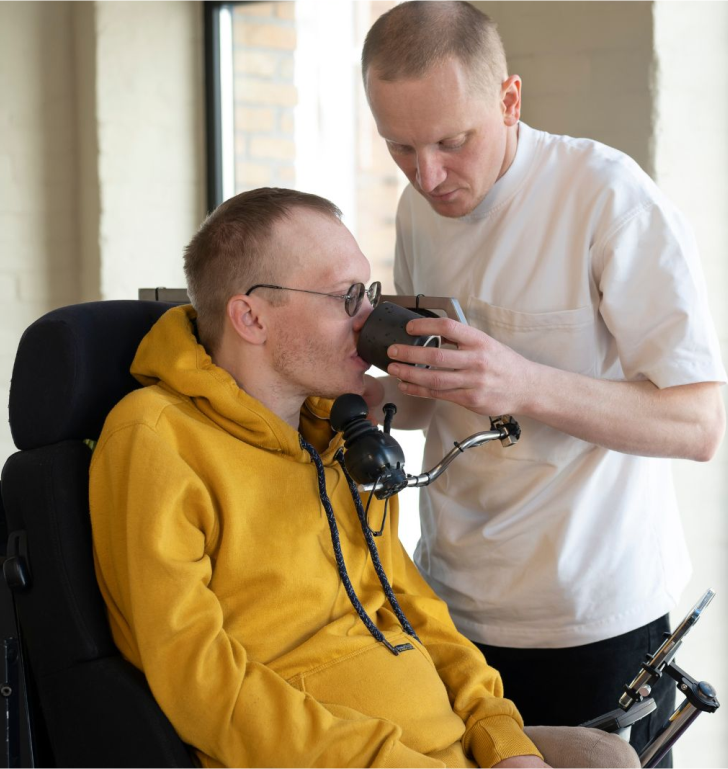
Compassionate, Specialist Support for Complex Needs
We understand that living with complex needs can be challenging for both participants and their families. Our Complex Care services provide tailored, holistic support for individuals who require high-level assistance due to multiple disabilities, behavioural challenges, or complex health conditions.
Our experienced team delivers coordinated, person-centred care with a strong focus on safety, stability, and empowerment. We work to ensure your supports are well-managed and seamless, helping you live with dignity, confidence, and greater independence.
Why Choose Us For Complex Care?
Experienced Team
Our team is trained to support people with complex needs, providing safe, reliable, and skilled care tailored to each individual.
Individualised Support Plans
We create personalised support plans based on your goals, needs, and circumstances to ensure effective and meaningful outcomes.
Compassionate Care
We deliver respectful, person-centred support focused on dignity, empathy, and understanding in every aspect of care.
Strong Crisis Response
We respond quickly in urgent situations, ensuring safety, stability, and coordinated support when it is needed most.
What Does Complex Care Involve?
High Medical & Behavioural Support
We support participants with significant health conditions, psychosocial disability, or behaviours of concern requiring specialised care.
Daily Living Support
We assist with everyday activities such as personal care, routines, mobility, and community participation based on individual needs.
Multi-Agency Collaboration
We work closely with health professionals, housing services, legal supports, and community organisations to ensure coordinated care.
Ongoing Monitoring & Review
We regularly review and adjust supports to ensure care remains effective, responsive, and aligned with changing needs.
Personalised Care Planning
We develop tailored support plans focused on safety, stability, independence, and improved quality of life.
Risk & Safety Management
We identify potential risks early and implement strategies to ensure safety and reduce incidents in daily life.
Your Questions Answered
What is considered Complex Care under the NDIS?
Complex care refers to high-intensity support for participants with significant medical, physical, or behavioural needs. This may include ventilator support, PEG feeding, tracheostomy care, complex wound management, catheter care, epilepsy monitoring, or support with behaviours of concern requiring clinical oversight.
Who is eligible for Complex Care funding?
Eligibility is determined by the NDIA based on evidence of permanent disability with high support needs. This includes participants requiring frequent medical interventions, 1:1 or 2:1 support ratios, or those with increased safety risks due to their condition or environment.
How are Complex Care needs managed within an NDIS plan?
Participants with multiple or high-risk needs may be placed on the Complex Support Needs Pathway. This allows for more specialised planning, coordination between services, and closer involvement with allied health and medical professionals to ensure safe and effective support.
Do Complex Care support workers require special training?
Yes. Workers providing Complex Care must have specialised training relevant to the participant’s needs. This may include clinical care, manual handling, and behavioural support training to ensure safe and effective delivery of high-intensity supports.
What types of medical supports can be included in Complex Care?
Supports may include assistance with ventilators, feeding tubes (PEG), wound care, medication administration, epilepsy management, and other clinical tasks that require trained and competent support workers.
Can Complex Care include behavioural support?
Yes. Complex Care can include behavioural support strategies for participants with challenging behaviours. This involves implementing behaviour support plans developed by clinicians to ensure safety and reduce restrictive practices where possible.
Related Services